


Jardalu / Zardalu
Jardalu / Zardalu
Couldn't load pickup availability
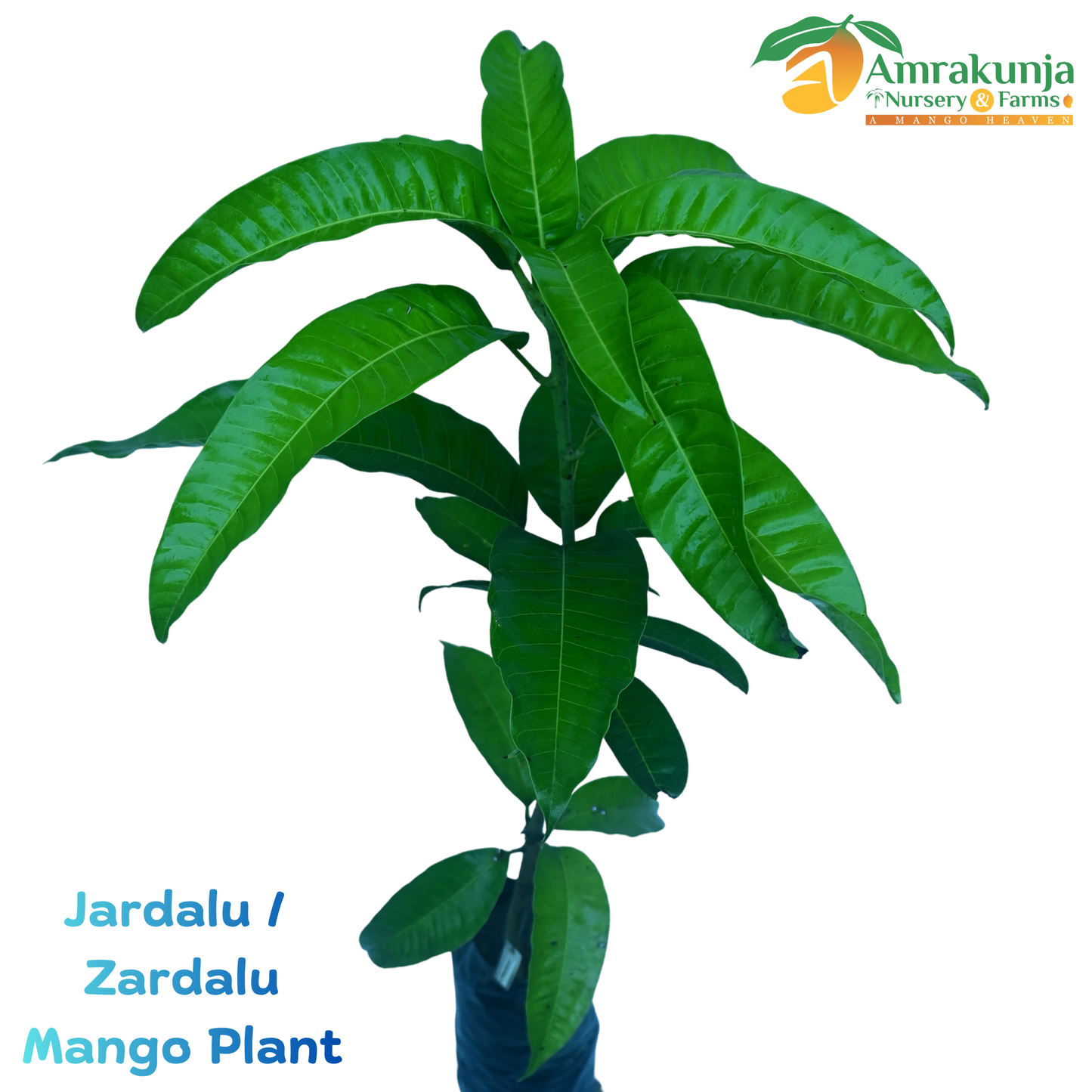
Jardalu, also spelled Zardalu, is an outstanding and immensely popular desi variety of mango from the state of Bihar in India. It is believed to have spread from the fertile Gangetic soil of Bhagalpur in Bihar. History traces its cultivation to the early 19th century, when Maharaja Rahmat Ali Khan Bahadur of Haveli Kharagpur is credited with introducing the variety to the Bhagalpur region, with the original sapling, planted between 1810 and 1820, still standing in Tajpur village as a living symbol of the variety's heritage. In recognition of this deep-rooted regional identity, Jardalu was awarded the Geographical Indication (GI) tag in 2018.
The variety is celebrated for its distinct aroma, strong flavour and exquisite taste. The fruit carries a light yellow, thin and soft skin that encloses a juicy, fiberless pulp which melts in the mouth, balancing sweetness with a mild tang and a subtle spicy note, and its fragrance is often described as among the finest of any Indian mango.
Jardalu is a heavy bearer and generally a regular cropper, though like wide traditional varieties, it follows an alternate pattern with an on-year, when the tree bears heavily, and an off-year, when the yield is lighter. The fruits are medium-sized, with an average weight of around 250 grams, and enclose an average-sized, monoembryonic seed. Jardalu is mainly consumed for table purpose.
It is an early-season mango, ripening in the first week of June in Bihar and as early as the last week of May in West Bengal, making it one of the first treats of the Indian mango season. The trees are vigorous and develop a rounded canopy, but they respond well to training and can be kept compact and dwarf through regular pruning.
Commercially, Jardalu is farmed across Bihar and the eastern parts of Uttar Pradesh, and its adaptability makes it equally suited to large farms and orchards as it is to kitchen gardens, rooftop gardens, and even balcony containers — bringing a slice of Bhagalpur's prized heritage within reach of growers of every scale.
ColourBright YellowAverage Weight250 gramsSweetnessTSS 22 BrixPulp Recovery72%Shelf Life5 daysSeed Typeaverage-sized and monoembryonicBearingHas on-year (bears heavily) and off-year (bears less)
Share

Origin & Identity
- OriginBihar, India
- Variety TypeSeasonal (bears once in a year)
- CategoryEarly season
Fruit Profile
- Fruit ColourBright yellow
- AromaVery aromatic
- Flavour ProfileTypical Indian flavour
- Taste & SweetnessUnique taste profile, very sweet (TSS: 22 brix)
- Avg. Fruit Weight250 grams
- Pulp Recovery72%
- Stone / Seed Typeaverage-sized and monoembryonic
Plant & Growing
- Growth PatternVigorous with rounded canopy
- Bearing Habiton-year (bears heavily) and off-year (bears less)
- Harvesting SeasonEarly season (June first week in Bihar, May last week in West Bengal)
- Fruit Shelf Life5 days
Suitability
- Best Suited ForTable purpose
- Commercial Feasibilityyes